Items filtered by date: April 2025
What Are the Symptoms of a Broken Pinky Toe?
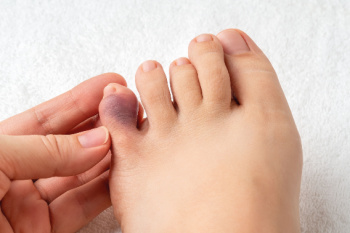
A broken pinky toe often occurs from direct trauma, such as stubbing the toe against furniture or dropping a heavy object on the foot. It can also result from repetitive stress or overuse during physical activities that place pressure on the feet. Individuals with weakened bones or poor footwear support may be more susceptible. Symptoms of a broken pinky toe include sharp or throbbing pain, swelling, and visible bruising. The toe may appear crooked or misaligned, and walking can become difficult due to discomfort or instability. In some cases, the pain may persist even at rest. If you have broken your pinky toe, it is suggested that you promptly contact a podiatrist who can offer you appropriate treatment solutions.
A broken toe can be very painful and lead to complications if not properly fixed. If you have any concerns about your feet, contact one of our podiatrists from Itasca Foot & Ankle. Our doctors will treat your foot and ankle needs.
What to Know About a Broken Toe
Although most people try to avoid foot trauma such as banging, stubbing, or dropping heavy objects on their feet, the unfortunate fact is that it is a common occurrence. Given the fact that toes are positioned in front of the feet, they typically sustain the brunt of such trauma. When trauma occurs to a toe, the result can be a painful break (fracture).
Symptoms of a Broken Toe
- Throbbing pain
- Swelling
- Bruising on the skin and toenail
- The inability to move the toe
- Toe appears crooked or disfigured
- Tingling or numbness in the toe
Generally, it is best to stay off of the injured toe with the affected foot elevated.
Severe toe fractures may be treated with a splint, cast, and in some cases, minor surgery. Due to its position and the pressure it endures with daily activity, future complications can occur if the big toe is not properly treated.
If you have any questions please feel free to contact our offices located in Itasca and Hoffman Estates, IL . We offer the newest diagnostic and treatment technologies for all your foot and ankle needs.
Reminder: When Was the Last Time...?

Custom orthotics, or shoe inserts, should be periodically replaced. Orthotics must fit properly to give you the best results. Protect your feet and ankles!
Managing Painful Gout

Gout is a type of arthritis that can occur suddenly, often at night, causing severe pain and swelling in the affected joint. It happens when uric acid builds up in the bloodstream, forming crystals that deposit in joints, particularly in the big toe. This can result from consuming too many purine-rich foods like red meat, shellfish, and alcohol, or due to kidney issues that prevent uric acid from being excreted properly. Symptoms include intense joint pain, swelling, redness, and warmth, which can feel like a throbbing or burning sensation. The pain may be so severe that even the weight of a blanket can be unbearable. Gout attacks can last for days and may recur, if left untreated. A podiatrist can help by diagnosing gout through a physical exam, blood tests, or joint fluid analysis. They may recommend lifestyle changes, medications, or specific treatments to relieve pain and prevent future attacks. If you have this condition, it is suggested that you schedule an appointment with a podiatrist for appropriate care.
Gout is a foot condition that requires certain treatment and care. If you are seeking treatment, contact one of our podiatrists from Itasca Foot & Ankle. Our doctors will treat your foot and ankle needs.
What Is Gout?
Gout is a type of arthritis caused by a buildup of uric acid in the bloodstream. It often develops in the foot, especially the big toe area, although it can manifest in other parts of the body as well. Gout can make walking and standing very painful and is especially common in diabetics and the obese.
People typically get gout because of a poor diet. Genetic predisposition is also a factor. The children of parents who have had gout frequently have a chance of developing it themselves.
Gout can easily be identified by redness and inflammation of the big toe and the surrounding areas of the foot. Other symptoms include extreme fatigue, joint pain, and running high fevers. Sometimes corticosteroid drugs can be prescribed to treat gout, but the best way to combat this disease is to get more exercise and eat a better diet.
If you have any questions please feel free to contact our offices located in Itasca and Hoffman Estates, IL . We offer the newest diagnostic and treatment technologies for all your foot and ankle needs.
Common Foot and Ankle Injuries in Gymnastics
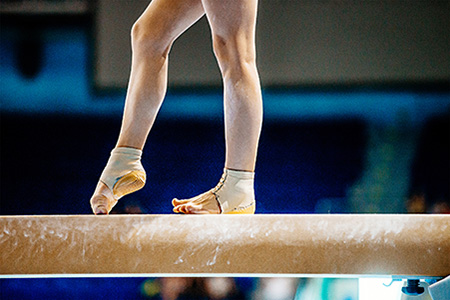
Gymnastics places significant stress on the feet and ankles, leading to a variety of injuries. Frequent jumping, landing, and twisting movements increase the risk of strain and trauma. Sprains occur when ligaments are stretched or torn, often from missteps or awkward landings. Fractures can result from repetitive impact or high-force landings on hard surfaces. Tendonitis develops when overuse causes inflammation in the tendons, leading to pain and stiffness. Stress fractures are small cracks in the bones caused by repeated pressure and insufficient recovery time. Additionally, contusions and bruises may also occur from direct impact. Strengthening exercises, proper technique, and wearing supportive footwear help reduce injury risk. If you have injured your foot or ankle while participating in gymnastics, it is suggested that you promptly visit a podiatrist who can offer effective relief and treatment solutions.
Ankle and foot injuries are common among athletes and in many sports. They can be caused by several problems and may be potentially serious. If you are feeling pain or think you were injured in a sporting event or when exercising, consult with one of our podiatrists from Itasca Foot & Ankle. Our doctors will assess your condition and provide you with quality foot and ankle treatment.
Common Injuries
The most common injuries that occur in sporting activities include:
- Achilles Tendonitis
- Achilles Tendon Rupture
- Ankle Sprains
- Broken Foot
- Plantar Fasciitis
- Stress Fractures
- Turf Toe
Symptoms
Symptoms vary depending upon the injury and in some cases, there may be no symptoms at all. However, in most cases, some form of symptom is experienced. Pain, aching, burning, bruising, tenderness, tightness or stiffness, sensation loss, difficulty moving, and swelling are the most common symptoms.
Treatment
Just as symptoms vary depending upon the injury, so do treatment options. A common treatment method is known as the RICE method. This method involves rest, applying ice, compression and elevating the afflicted foot or ankle. If the injury appears to be more serious, surgery might be required, such as arthroscopic or reconstructive surgery. Lastly, rehabilitation or therapy might be needed to gain full functionality in the afflicted area. Any discomfort experienced by an athlete must be evaluated by a licensed, reputable medical professional.
If you have any questions, please feel free to contact our offices located in Itasca and Hoffman Estates, IL . We offer the newest diagnostic and treatment technologies for all your foot care needs.
Genetic Causes of Flat Feet
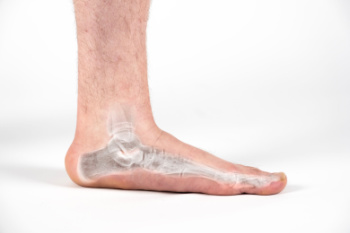
Flat feet, or fallen arches, occur when the arches of the feet collapse, causing the entire sole to make contact with the ground while bearing weight. In some cases, flat feet can be associated with genetic conditions, including Ehlers-Danlos Syndrome, or EDS, or Marfan Syndrome. EDS is a connective tissue disorder that causes hyper mobility, leading to loose joints and flat feet. Marfan Syndrome can result in tall stature and elongated limbs, contributing to foot instability. Symptoms include foot pain, swelling, and difficulty standing for long periods of time. This condition may cause discomfort in the feet, ankles, knees, and even the lower back, making walking or exercise painful. In severe cases, it can lead to other issues like tendonitis or bunions. A podiatrist can evaluate the severity and cause of flat feet and provide custom orthotics, recommend targeted exercises, or, in some cases, perform surgery. If you have discomfort from flat feet, it is suggested that you schedule an appointment with a podiatrist.
Flatfoot is a condition many people suffer from. If you have flat feet, contact one of our podiatrists from Itasca Foot & Ankle. Our doctors will treat your foot and ankle needs.
What Are Flat Feet?
Flatfoot is a condition in which the arch of the foot is depressed and the sole of the foot is almost completely in contact with the ground. About 20-30% of the population generally has flat feet because their arches never formed during growth.
Conditions & Problems:
Having flat feet makes it difficult to run or walk because of the stress placed on the ankles.
Alignment – The general alignment of your legs can be disrupted, because the ankles move inward which can cause major discomfort.
Knees – If you have complications with your knees, flat feet can be a contributor to arthritis in that area.
Symptoms
- Pain around the heel or arch area
- Trouble standing on the tip toe
- Swelling around the inside of the ankle
- Flat look to one or both feet
- Having your shoes feel uneven when worn
Treatment
If you are experiencing pain and stress on the foot you may weaken the posterior tibial tendon, which runs around the inside of the ankle.
If you have any questions please feel free to contact our offices located in Itasca and Hoffman Estates, IL . We offer the newest diagnostic and treatment technologies for all your foot and ankle needs.