Items filtered by date: January 2025
The Benefits of Kids Walking Barefoot and Why It Matters
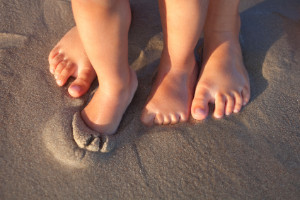
Walking barefoot is a natural activity that can have numerous benefits for children. When kids walk without shoes, they allow their feet to develop and strengthen naturally. The muscles and ligaments in the feet work more effectively when they are not restricted by footwear, promoting better balance and coordination. Barefoot walking also helps improve posture as it encourages children to align their bodies properly. Furthermore, walking barefoot allows children to connect with their environment, providing sensory feedback that can stimulate cognitive and emotional development. It also promotes the proper formation of the arches in the feet, reducing the risk of developing issues such as flat feet. In addition, barefoot walking can help increase circulation and improve the flexibility of the feet. While it is important to be mindful of potential hazards, allowing kids to walk barefoot at home or in safe outdoor spaces can contribute positively to their physical and overall development. If your child has foot pain for any reason, it is suggested that you consult a podiatrist who can treat various foot conditions, and address any concern you may have about barefoot walking.
Making sure that your children maintain good foot health is very important as they grow. If you have any questions, contact one of our podiatrists of Itasca Foot & Ankle. Our doctors can provide the care you need to keep you pain-free and on your feet.
Keeping Children's Feet Healthy
Having healthy feet during childhood can help prevent medical problems later in life, namely in the back and legs. As children grow, their feet require different types of care. Here are some things to consider...
Although babies do not walk yet, it is still very important to take care of their feet.
Avoid putting tight shoes or socks on his or her feet.
Allow the baby to stretch and kick his or her feet to feel comfortable.
As a toddler, kids are now on the move and begin to develop differently. At this age, toddlers are getting a feel for walking, so don’t be alarmed if your toddler is unsteady or ‘walks funny’.
As your child gets older, it is important to teach them how to take care of their feet.
Show them proper hygiene to prevent infections such as fungus.
Be watchful for any pain or injury.
Have all injuries checked by a doctor as soon as possible.
Comfortable, protective shoes should always be worn, especially at play.
If you have any questions please feel free to contact our offices located in Itasca and Hoffman Estates, IL . We offer the newest diagnostic and treatment technologies for all your foot and ankle needs.
Prioritize Foot Care
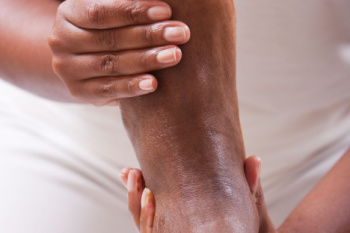
Treat your feet with the care they deserve to keep them healthy and strong. Routine foot maintenance is key. Wash and moisturize feet daily, trim nails carefully, and check for any signs of trouble like redness, swelling, or pain. Stretching is equally important. Simple exercises like toe stretches, ankle rolls, and calf stretches improve flexibility, boost circulation, and reduce tension. Wearing proper shoes makes all the difference. Choose supportive, well-fitted footwear with ample cushioning to protect your feet from strain and injury. Avoid overly tight or worn-out shoes that can lead to blisters, bunions, or more serious problems. For expert guidance, regular visits to a podiatrist are suggested. This type of doctor can assess your foot health, provide personalized advice, and treat any foot injuries or conditions.
Everyday foot care is very important to prevent infection and other foot ailments. If you need your feet checked, contact one of our podiatrists from Itasca Foot & Ankle. Our doctors can provide the care you need to keep you pain-free and on your feet.
Everyday Foot Care
Often, people take care of their bodies, face and hair more so than they do for their feet. But the feet are a very important aspect of our bodies, and one that we should pay more attention to. Without our feet, we would not be able to perform most daily tasks.
It is best to check your feet regularly to make sure there are no new bruises or cuts that you may not have noticed before. For dry feet, moisturizer can easily be a remedy and can be applied as often as necessary to the affected areas. Wearing shoes that fit well can also help you maintain good foot health, as well as making it easier to walk and do daily activities without the stress or pain of ill-fitting shoes, high heels, or even flip flops. Wearing clean socks with closed shoes is important to ensure that sweat and bacteria do not accumulate within the shoe. Clean socks help to prevent Athlete’s foot, fungi problems, bad odors, and can absorb sweat.
If you have any questions please feel free to contact our offices located in Itasca and Hoffman Estates, IL . We offer the newest diagnostic and treatment technologies for all your foot and ankle needs.
Arthritis Can Cause Pain in the Feet and Ankles
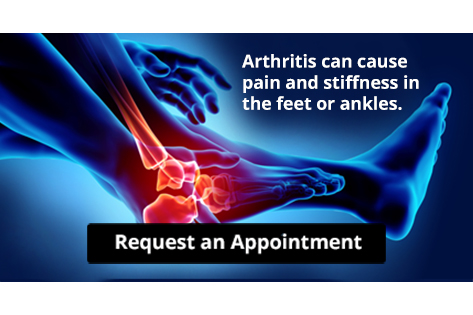
If you are suffering from tenderness, pain, or stiffness in the joints of your feet or ankles, call us to schedule an appointment.
Causes and Signs of Morton’s Neuroma
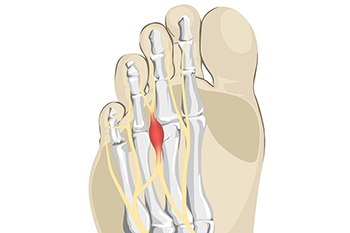
Morton's neuroma is a condition that affects the foot, causing pain and discomfort due to a thickening of the tissue surrounding one of the nerves leading to the toes. This condition typically occurs between the third and fourth toes, and is often described as feeling like there is a small stone or bump in the shoe. The exact cause of Morton's neuroma is not always clear, but it is often linked to repetitive stress or irritation to the nerves in the foot. High heels, tight shoes, and activities that put pressure on the toes, such as running or jumping, can increase the risk. Common signs of Morton's neuroma include sharp, burning pain in the ball of the foot and tingling, or numbness in the toes. The pain may worsen when walking or standing for extended periods. If you have pain in this part of your foot, it is suggested that you consult a podiatrist who can accurately diagnose and treat what may be going on.
Morton’s neuroma is a very uncomfortable condition to live with. If you think you have Morton’s neuroma, contact one of our podiatrists of Itasca Foot & Ankle. Our doctors will attend to all of your foot care needs and answer any of your related questions.
Morton’s Neuroma
Morton's neuroma is a painful foot condition that commonly affects the areas between the second and third or third and fourth toe, although other areas of the foot are also susceptible. Morton’s neuroma is caused by an inflamed nerve in the foot that is being squeezed and aggravated by surrounding bones.
What Increases the Chances of Having Morton’s Neuroma?
- Ill-fitting high heels or shoes that add pressure to the toe or foot
- Jogging, running or any sport that involves constant impact to the foot
- Flat feet, bunions, and any other foot deformities
Morton’s neuroma is a very treatable condition. Orthotics and shoe inserts can often be used to alleviate the pain on the forefront of the feet. In more severe cases, corticosteroids can also be prescribed. In order to figure out the best treatment for your neuroma, it’s recommended to seek the care of a podiatrist who can diagnose your condition and provide different treatment options.
If you have any questions, please feel free to contact our offices located in Itasca and Hoffman Estates, IL . We offer the newest diagnostic and treatment technologies for all your foot care needs.
What Is a Shoe Bite?
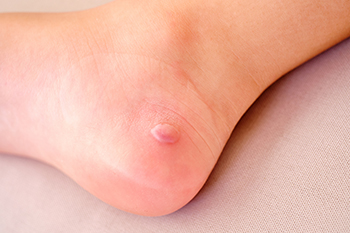
A shoe bite refers to a painful irritation or blister that forms on the skin due to friction between the feet and ill-fitting shoes. These blisters typically appear on areas like the heels, toes, or sides of the feet. The primary cause of shoe bites is wearing shoes that are too tight, too loose, or made from stiff materials that rub against the skin. This constant friction leads to skin damage, causing redness, swelling, and eventually blisters. To prevent shoe bites, it is essential to choose shoes that fit well and provide adequate support. Using blister pads or cushioned insoles can also help reduce friction. Additionally, breaking in new shoes gradually and wearing socks made from breathable materials can protect the skin from excessive rubbing. Untreated blisters may become infected and become quite painful. If you have developed a foot blister, it is suggested that you consult a podiatrist who can offer additional prevention tips, and provide effective relief methods.
Blisters may appear as a single bubble or in a cluster. They can cause a lot of pain and may be filled with pus, blood, or watery serum. If your feet are hurting, contact one of our podiatrists of Itasca Foot & Ankle. Our doctors can provide the care you need to keep you pain-free and on your feet.
Foot Blisters
Foot blisters are often the result of friction. This happens due to the constant rubbing from shoes, which can lead to pain.
What Are Foot Blisters?
A foot blister is a small fluid-filled pocket that forms on the upper-most layer of the skin. Blisters are filled with clear fluid and can lead to blood drainage or pus if the area becomes infected.
Symptoms
(Blister symptoms may vary depending on what is causing them)
- Bubble of skin filled with fluid
- Redness
- Moderate to severe pain
- Itching
Prevention & Treatment
In order to prevent blisters, you should be sure to wear comfortable shoes with socks that cushion your feet and absorb sweat. Breaking a blister open may increase your chances of developing an infection. However, if your blister breaks, you should wash the area with soap and water immediately and then apply a bandage to the affected area. If your blisters cause severe pain it is important that you call your podiatrist right away.
If you have any questions, please feel free to contact our offices located in Itasca and Hoffman Estates, IL . We offer the newest diagnostic and treatment technologies for all your foot care needs.