Our second office is located at: 1585 Barrington Rd. Building 2, Suite 103, Hoffman Estates, IL 60169. (Opened Tuesdays)
Walk-Ins Welcome!

Causes and Risk Factors of Gout

Gout is a form of arthritis caused by a buildup of uric acid in the body, leading to the formation of sharp crystals in the joints. It most commonly affects the big toe and can cause sudden and intense pain. Symptoms include redness, swelling, warmth, and severe tenderness in the affected area. Causes may include diet high in purines, dehydration, and reduced kidney function. Risk factors include obesity, alcohol use, certain medications, and family history. Men are more likely to develop gout due to higher uric acid levels and hormonal differences. A podiatrist can help by diagnosing the condition, managing pain, and recommending lifestyle changes. If you have pain in your big toe or surrounding areas, it is suggested that you are under the care of a podiatrist who can help you manage this painful condition.

Gout is a painful condition that can be treated. If you are seeking treatment, contact one of our podiatrists from Itasca Foot & Ankle. Our doctors will treat your foot and ankle needs.

What Is Gout?

Gout is a form of arthritis that is characterized by sudden, severe attacks of pain, redness, and tenderness in the joints. The condition usually affects the joint at the base of the big toe. A gout attack can occur at any random time, such as the middle of the night while you are asleep.

Symptoms

  • Intense Joint Pain - Usually around the large joint of your big toe, and it most severe within the first four to twelve hours
  • Lingering Discomfort - Joint discomfort may last from a few days to a few weeks
  • Inflammation and Redness -Affected joints may become swollen, tender, warm and red
  • Limited Range of Motion - May experience a decrease in joint mobility

Risk Factors

  • Genetics - If family members have gout, you’re more likely to have it
  • Medications - Diuretic medications can raise uric acid levels
  • Gender/Age - Gout is more common in men until the age of 60. It is believed that estrogen protects women until that point
  • Diet - Eating red meat and shellfish increases your risk
  • Alcohol - Having more than two alcoholic drinks per day increases your risk
  • Obesity - Obese people are at a higher risk for gout

Prior to visiting your podiatrist to receive treatment for gout, there are a few things you should do beforehand. If you have gout you should write down your symptoms--including when they started and how often you experience them, important medical information you may have, and any questions you may have. Writing down these three things will help your podiatrist in assessing your specific situation so that he or she may provide the best route of treatment for you.

If you have any questions, please feel free to contact our offices located in Itasca and Hoffman Estates, IL . We offer the newest diagnostic and treatment technologies for all your foot care needs.

Read more about Everything You Need to Know About Gout

Reminder: When Was the Last Time...?

Custom orthotics, or shoe inserts, should be periodically replaced. Orthotics must fit properly to give you the best results. Protect your feet and ankles!

Understanding the Plantar Calcaneal Spur

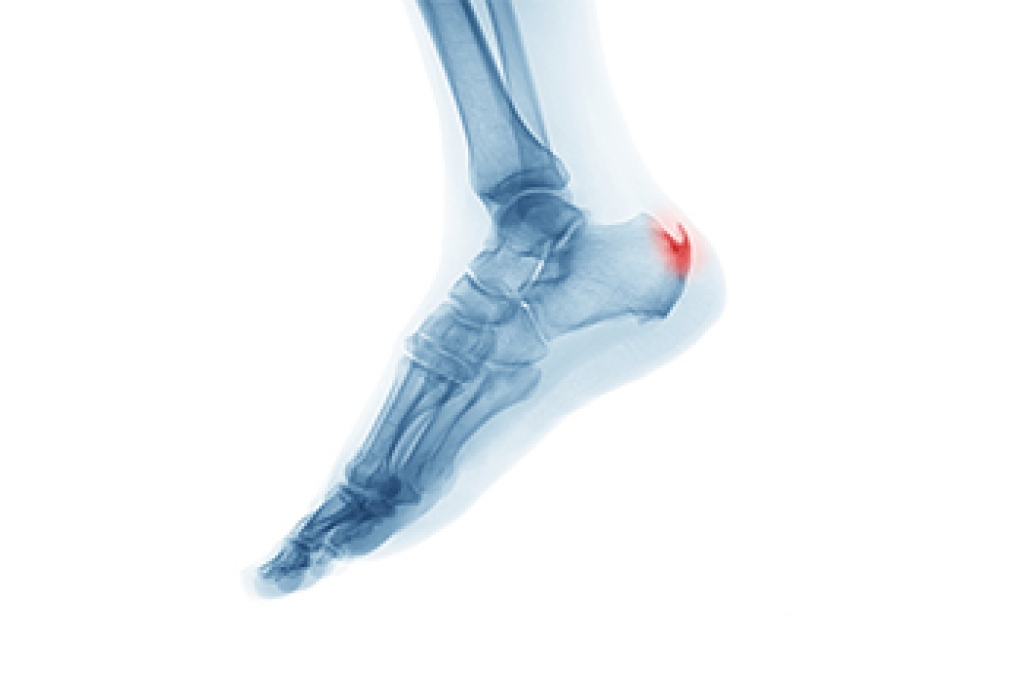
A plantar calcaneal spur, often referred to as a heel spur, is a small bony projection that forms on the underside of the heel bone. It often develops over time as the body responds to repeated strain where the plantar fascia attaches to the heel. This added bone growth may or may not cause pain, but when symptoms are present, they are commonly felt with the first steps after rest or during prolonged standing. The discomfort is often linked more to irritation of the surrounding soft tissue than the spur itself. Evaluation focuses on identifying the source of strain and how the foot functions during movement. Treatment may include wearing supportive footwear, cushioning, stretching, and custom orthotics to reduce pressure on the heel. Addressing contributing factors early can help limit ongoing irritation and improve comfort. If heel pain is affecting your daily routine, it is suggested that you see a podiatrist for a proper diagnosis and appropriate treatment.

Heel spurs can be incredibly painful and sometimes may make you unable to participate in physical activities. To get medical care for your heel spurs, contact one of our podiatrists from Itasca Foot & Ankle. Our doctors will do everything possible to treat your condition.

Heels Spurs

Heel spurs are formed by calcium deposits on the back of the foot where the heel is. This can also be caused by small fragments of bone breaking off one section of the foot, attaching onto the back of the foot. Heel spurs can also be bone growth on the back of the foot and may grow in the direction of the arch of the foot.

Older individuals usually suffer from heel spurs and pain sometimes intensifies with age. One of the main condition's spurs are related to is plantar fasciitis.

Pain

The pain associated with spurs is often because of weight placed on the feet. When someone is walking, their entire weight is concentrated on the feet. Bone spurs then have the tendency to affect other bones and tissues around the foot. As the pain continues, the feet will become tender and sensitive over time.

Treatments

There are many ways to treat heel spurs. If one is suffering from heel spurs in conjunction with pain, there are several methods for healing. Medication, surgery, and herbal care are some options.

If you have any questions, please feel free to contact our offices located in Itasca and Hoffman Estates, IL . We offer the newest diagnostic and treatment technologies for all your foot care needs.

Read more about How to Treat Heel Spurs

Foot and Ankle Injuries in Baseball

Baseball involves running, sliding, and quick turns that place strong stress on the feet and ankles. Baseball-related injuries occur when a player twists an ankle while rounding a base, lands awkwardly after a jump, or is struck by a fast-moving ball. Other problems include ankle sprains, which happen when the ligaments that hold the joint together stretch or tear, and fractures, which are cracks or breaks in the bones. Sliding into bases can lead to painful impacts or skin injuries around the toes and heels. Cleats that do not fit well may cause blisters, nail damage, or nerve pressure that affects comfort and balance. A podiatrist can examine the injury and order imaging tests to determine its severity. Treatment includes supportive bracing, protective devices, or custom shoe inserts to improve stability and recovery. If you have sustained a foot or ankle injury while playing baseball, it is suggested that you make an appointment with a podiatrist for an exam, diagnosis, and treatment.

Sports related foot and ankle injuries require proper treatment before players can go back to their regular routines. For more information, contact one of our podiatrists of Itasca Foot & Ankle. Our doctors can provide the care you need to keep you pain-free and on your feet.

Sports Related Foot and Ankle Injuries

Foot and ankle injuries are a common occurrence when it comes to athletes of any sport. While many athletes dismiss the initial aches and pains, the truth is that ignoring potential foot and ankle injuries can lead to serious problems. As athletes continue to place pressure and strain the area further, a mild injury can turn into something as serious as a rupture and may lead to a permanent disability. There are many factors that contribute to sports related foot and ankle injuries, which include failure to warm up properly, not providing support or wearing bad footwear. Common injuries and conditions athletes face, including:

  • Plantar Fasciitis
  • Achilles Tendinitis
  • Achilles Tendon Rupture
  • Ankle Sprains

Sports related injuries are commonly treated using the RICE method. This includes rest, applying ice to the injured area, compression and elevating the ankle. More serious sprains and injuries may require surgery, which could include arthroscopic and reconstructive surgery. Rehabilitation and therapy may also be required in order to get any recovering athlete to become fully functional again. Any unusual aches and pains an athlete sustains must be evaluated by a licensed, reputable medical professional.

If you have any questions please contact our offices located in Itasca and Hoffman Estates, IL . We offer the newest diagnostic and treatment technologies for all your foot and ankle needs.

Read more about Sports Related Foot And Ankle Injuries

Foot Alignment Link to Ingrown Toenails

Recent studies suggest that foot alignment may influence the development of ingrown toenails. An ingrown toenail occurs when the nail edge presses into nearby skin, causing pain, swelling, and infection. Studies suggest that people with a lower foot arch, flat feet, may face a higher risk. A reduced arch can shift pressure toward the front of the foot and the big toe, increasing irritation along the nail border. In some people, the tip of the big toe bone may angle outward, which can lead to ingrown nails along the outer side. A podiatrist can evaluate foot structure by examination and imaging. Treatment may involve correcting nail growth patterns, easing pressure on the toe, and addressing alignment problems to reduce repeat episodes. If you have pain from an ingrown toenail, it is suggested that you make an appointment with a podiatrist for an exam, diagnosis, and treatment.

Ingrown toenails can become painful if they are not treated properly. For more information about ingrown toenails, contact one of our podiatrists of Itasca Foot & Ankle. Our doctors can provide the care you need to keep you pain-free and on your feet.

Ingrown Toenails

Ingrown toenails occur when a toenail grows sideways into the bed of the nail, causing pain, swelling, and possibly infection.

Causes

  • Bacterial infections
  • Improper nail cutting such as cutting it too short or not straight across
  • Trauma to the toe, such as stubbing, which causes the nail to grow back irregularly
  • Ill-fitting shoes that bunch the toes too close together
  • Genetic predisposition

Prevention

Wearing proper fitting shoes and using proper cutting techniques will also help decrease your risk of developing ingrown toenails.

Treatment

Ingrown toenails are a very treatable foot condition. In minor cases, soaking the affected area in salt or antibacterial soaps will not only help with the ingrown nail itself, but also help prevent any infections from occurring. In more severe cases, surgery is an option. In either case, speaking to your podiatrist about this condition will help you get a better understanding of specific treatment options that are right for you.

If you have any questions, please feel free to contact our offices located in Itasca and Hoffman Estates, IL . We offer the newest diagnostic and treatment technologies for all your foot care needs.

Read more about Ingrown Toenail Care

Connect With Us