Walk-Ins Welcome!

Benefits of Nordic Walking

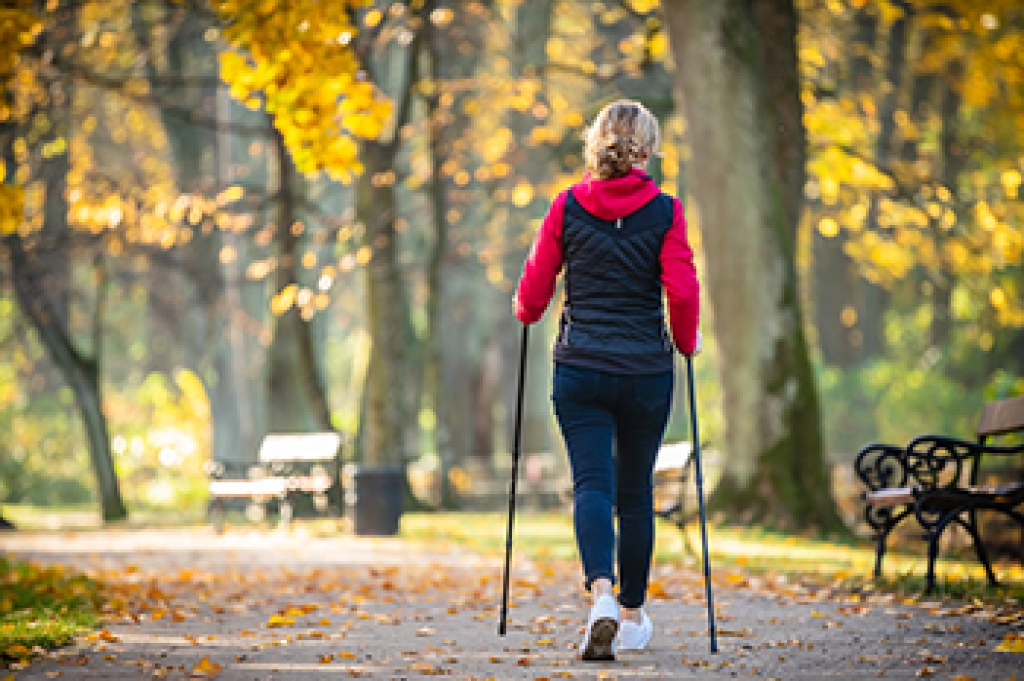
Nordic walking is a form of exercise that uses specially designed poles while walking, similar to cross-country skiing without snow. This activity offers several benefits for the feet and ankles. By using poles, body weight is partly supported through the arms, which can reduce pressure on the feet during movement. Lowering pressure may help limit strain on the arches, heel, and forefoot, especially during long walks. Nordic walking can also encourage a smoother walking pattern, known as gait. Improved gait may reduce stress on joints and soft tissues, like tendons and ligaments. The poles can increase stability and balance, helping to lower the risk of trips or falls that may lead to foot or other injuries. A podiatrist can evaluate foot structure, assess walking mechanics, and recommend proper footwear or orthotics for safe participation. If you have foot pain after walking, it is suggested that you make an appointment with a podiatrist for an exam, diagnosis, and treatment.

Exercising your feet regularly with the proper foot wear is a great way to prevent injuries and build strength. If you have any concerns about your feet, contact the podiatrists from Itasca Foot & Ankle. Our doctors can provide the care you need to keep you pain-free and on your feet.

Exercise for Your Feet

Exercise for your feet can help you gain strength, mobility and flexibility in your feet. They say that strengthening your feet can be just as rewarding as strengthening another part of the body. Your feet are very important, and we often forget about them in our daily tasks. But it is because of our feet that are we able to get going and do what we need to. For those of us fortunate enough to not have any foot problems, it is an important gesture to take care of them to ensure good health in the long run.

Some foot health exercises can include ankle pumps, tip-toeing, toe rises, lifting off the floor doing reps and sets, and flexing the toes. It is best to speak with Our doctors to determine an appropriate regimen for your needs. Everyone’s needs and bodies are different, and the activities required to maintain strength in the feet vary from individual to individual. 

Once you get into a routine of doing regular exercise, you may notice a difference in your feet and how strong they may become.

If you have any questions, please feel free to contact our offices located in Itasca, IL . We offer the newest diagnostic and treatment technologies for all your foot care needs.
Read more about Exercise for Your Feet

Sever’s Disease in Active Children

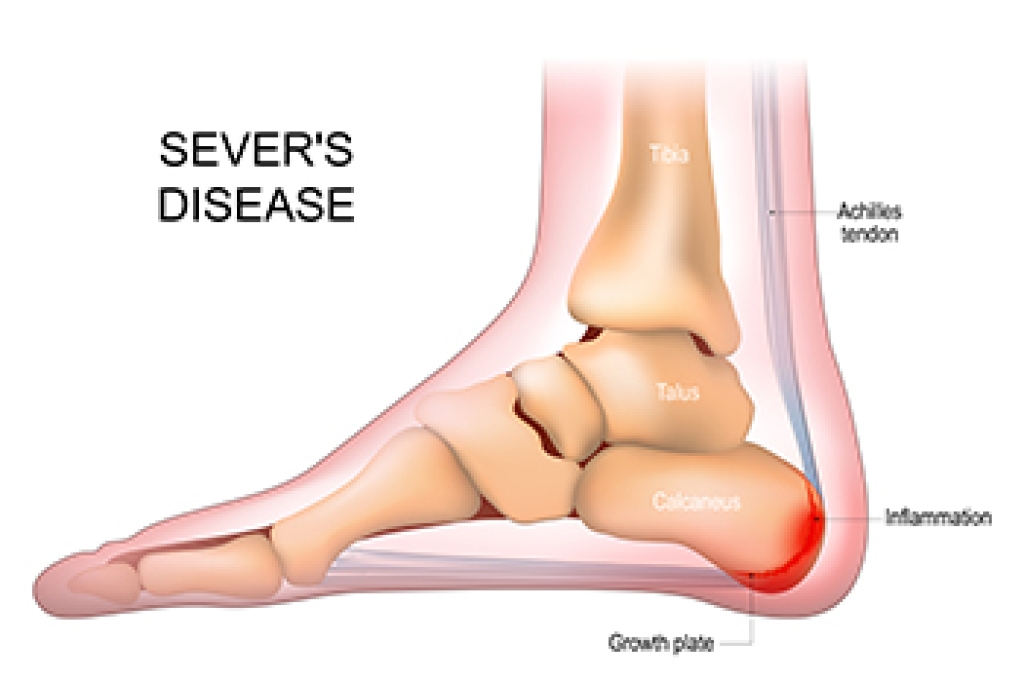
Sever’s disease is a heel condition that can affect children while their bones are still growing. It develops when repeated stress irritates the growth plate at the heel. The Achilles tendon attaches in this area and can place increased pulling force on the developing heel during activity. Symptoms include heel pain, tenderness, and discomfort after running or jumping. A child may also limp or avoid activities that put pressure on the heel.

This condition most affects active children during growth spurts, between 8 and 14 years old. Boys and girls can develop Sever’s disease. Children who participate in sports involving running and jumping may have greater risk because their heels experience impact. Tight calf muscles, increased sports participation, and limited recovery between activities can also contribute. Symptoms may become more noticeable when training intensity increases.


A podiatrist evaluates the child’s symptoms, activity level, and walking pattern. The provider may examine ankle flexibility and calf tightness to understand how stress is affecting the heel. Imaging is sometimes used when symptoms are unusual or another injury needs to be excluded. Treatment is usually conservative and focuses on reducing stress. Care may include activity modification, wearing supportive footwear and heel lifts. Follow-up visits help monitor improvement and adjust treatment.


Relief at home can begin by reducing activities that trigger pain and allowing recovery between active days. Supportive shoes can reduce strain, while gentle stretching may help improve calf flexibility when recommended. Children should not be encouraged to continuplayig sports through heel pain. Most children improve as the growth plate matures, but persistent symptoms require evaluation. If your active child has symptoms of Sever’s disease, it is suggested that you consult a podiatrist for effective relief and management solutions. 

Sever's disease often occurs in children and teens. If your child is experiencing foot or ankle pain, see the podiatrists from Itasca Foot & Ankle. Our doctors can treat your child’s foot and ankle needs.

Sever’s Disease

Sever’s disease is also known as calcaneal apophysitis, which is a medical condition that causes heel pain I none or both feet. The disease is known to affect children between the ages of 8 and 14.

Sever’s disease occurs when part of the child’s heel known as the growth plate (calcaneal epiphysis) is attached to the Achilles tendon. This area can suffer injury when the muscles and tendons of the growing foot do not keep pace with bone growth. Therefore, the constant pain which one experiences at the back of the heel will make the child unable to put any weight on the heel. The child is then forced to walk on their toes.

Symptoms

Acute pain – Pain associated with Sever’s disease is usually felt in the heel when the child engages in physical activity such as walking, jumping and or running.

Highly active – Children who are very active are among the most susceptible in experiencing Sever’s disease, because of the stress and tension placed on their feet.

If you have any questions, please feel free to contact our offices located in Itasca, IL . We offer the newest diagnostic and treatment technologies for all your foot care needs.
Read more about Sever's Disease

Why Live with Pain and Numbness in Your Feet?

Suffering from this type of pain? You may have the foot condition known as Morton's neuroma. Morton's neuroma may develop as a result of ill-fitting footwear and existing foot deformities. We can help.

Ankle Sprain Recovery Time and Treatment Options

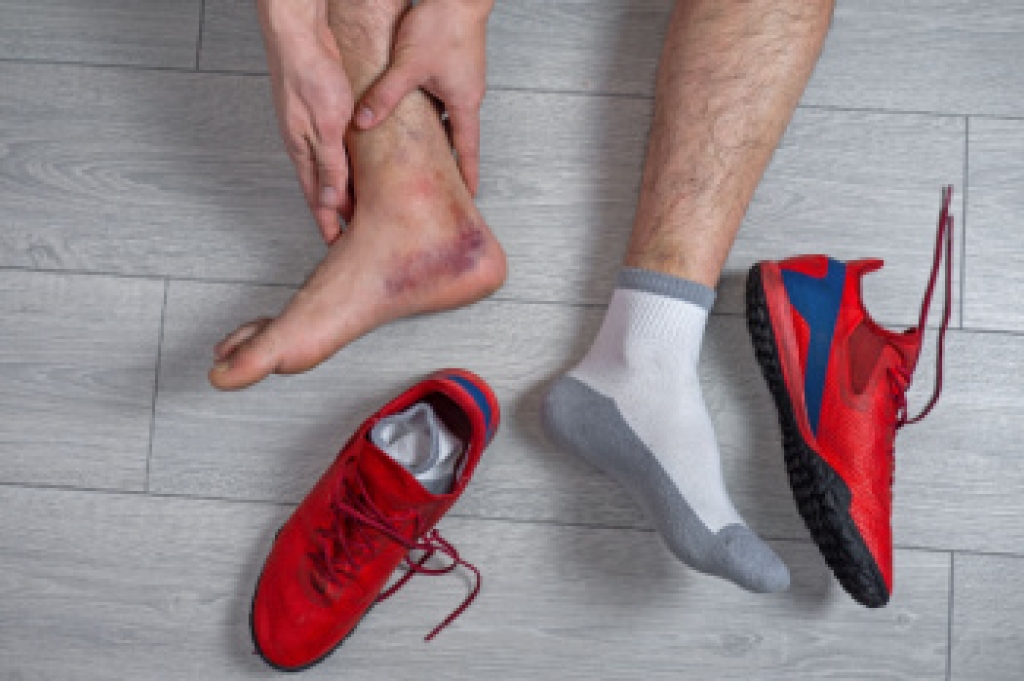
An ankle sprain occurs when the foot suddenly twists or rolls, stretching or tearing the ligaments that hold the joint together. Ligaments are strong bands of tissue that help keep bones stable. A sprain can happen while running on uneven ground, participating in sporting activities, or even stepping the wrong way down a step or curb. Most sprains affect the outside of the ankle and cause pain, swelling, bruising, and tenderness. The ankle may feel weak or unstable while walking. Recovery depends on how much damage has occurred. A grade 1 sprain is mild and usually heals within one to two weeks. A grade 2 sprain involves a partial ligament tear and often takes three to six weeks to recover. A grade 3 sprain is the most severe, with a complete or near-complete tear that can require several months of healing.

A podiatrist begins by examining the ankle to determine the severity of the injury. This includes checking for swelling, tenderness, and joint stability. X-rays or other imaging can help rule out a broken bone or identify more serious damage. Care can include using a supportive brace or walking boot. Targeted exercises can help restore strength, balance, and flexibility. Prompt treatment also lowers the chance of repeated ankle sprains or long-term ankle instability that affects daily activities.

Recovery does not always follow the same schedule because every injury is different. Mild sprains usually improve quickly, while severe injuries require much more time and careful treatment. Ignoring pain or returning to activity too soon can slow healing and increase the risk of another sprain. In severe cases, surgery may be needed. A podiatrist monitors healing, recommends the right treatment plan, and helps patients return to normal movement as safely as possible. If you have sprained an ankle, it is suggested that you schedule an appointment with a podiatrist for an accurate diagnosis and appropriate treatment.

Although ankle sprains are common, they aren’t always minor injuries. If you need your ankle injury looked at, contact the podiatrists from Itasca Foot & Ankle. Our doctors can provide the care you need to keep you pain-free and on your feet.

How Does an Ankle Sprain Occur?

Ankle sprains are the result of a tear in the ligaments within the ankle. These injuries may happen when you make a rapid shifting movement while your foot is planted. A less common way to sprain your ankle is when your ankle rolls inward while your foot turns outward.

What Are the Symptoms?

  • Pain at the sight of the tear
  • Bruising/Swelling
  • Ankle area is tender to touch
  • In severe cases, may hear/feel something tear
  • Skin discoloration

Preventing a Sprain

  • Wearing appropriate shoes for the occasion
  • Stretching before exercises and sports
  • Knowing your limits

Treatment of a Sprain

In many cases, the RICE method (Rest, Ice, Compression, and Elevate) is used to treat ankle sprains. However, you should see a podiatrist to see which treatment option would work best with your injury. In severe cases, surgery may be required.

It is important to ask your doctor about rehab options after you receive treatment for your injury. Stretching, strength training, and balance exercises may help the ankle heal while also preventing further injury.

If you have any questions, please feel free to contact our offices located in Itasca, IL . We offer the newest diagnostic and treatment technologies for all your foot care needs.
Read more about Ankle Sprains

Foot Blisters From Walking and Running

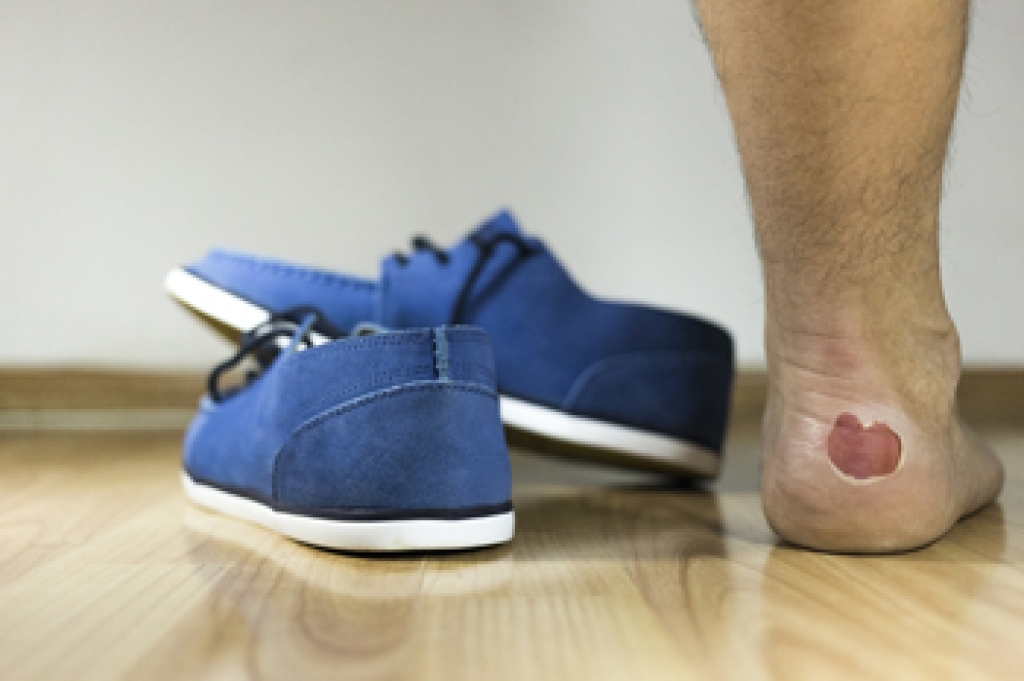
Foot blisters can turn a walk, run, or hike into a painful experience. A blister is a pocket of fluid that forms within the upper layers of the skin. Friction is a major cause, especially when shoes or socks repeatedly rub against the foot. Heat and moisture can make the skin more fragile and increase rubbing. Before a blister forms, the skin can develop a hot spot that feels warm, tender, or irritated. Wearing poorly fitting shoes can increase friction. Foot problems like bunions can also create areas where rubbing occurs more easily.

Blisters frequently develop on the toes, heels, or other areas exposed to repeated pressure. Blisters can become especially troublesome for runners and hikers because sweat can increase moisture inside shoes. Small rocks or grit trapped inside a shoe can also irritate the skin. A broken blister requires careful attention because the exposed skin can become infected. Warning signs include unusual drainage, red streaks, or increasing warmth around the affected area.

A podiatrist can examine a blister and determine whether friction, foot structure, or another problem is contributing to its development. The podiatrist can safely treat a painful blister while protecting the skin beneath it. Care can also address signs of infection or blisters that repeatedly return in the same location. A podiatrist can evaluate shoe fit and identify pressure points caused by the shape of the foot. Treatment can include protective padding or other methods that reduce pressure on the affected area. Addressing the source of repeated rubbing can help protect foot health and make daily movement more comfortable. If you frequently develop  foot blisters, it is suggested that you schedule an appointment with a podiatrist for effective relief and prevention tips. 

Blisters may appear as a single bubble or in a cluster. They can cause a lot of pain and may be filled with pus, blood, or watery serum. If your feet are hurting, contact the podiatrists of Itasca Foot & Ankle. Our doctors can provide the care you need to keep you pain-free and on your feet.

Foot Blisters

Foot blisters are often the result of friction. This happens due to the constant rubbing from shoes, which can lead to pain.

What Are Foot Blisters?

A foot blister is a small fluid-filled pocket that forms on the upper-most layer of the skin. Blisters are filled with clear fluid and can lead to blood drainage or pus if the area becomes infected.

Symptoms

(Blister symptoms may vary depending on what is causing them)

  • Bubble of skin filled with fluid
  • Redness
  • Moderate to severe pain
  • Itching

Prevention & Treatment

In order to prevent blisters, you should be sure to wear comfortable shoes with socks that cushion your feet and absorb sweat. Breaking a blister open may increase your chances of developing an infection. However, if your blister breaks, you should wash the area with soap and water immediately and then apply a bandage to the affected area. If your blisters cause severe pain it is important that you call your podiatrist right away.

If you have any questions, please feel free to contact our offices located in Itasca, IL . We offer the newest diagnostic and treatment technologies for all your foot care needs.

Read more about Blisters

Connect With Us

Request Appointment