Walk-Ins Welcome!

Understanding Skin Bridging and Ingrown Toenails

An ingrown toenail develops when the edge of a toenail grows into the surrounding skin. This can cause pain, swelling, redness, and drainage around the nail. Several factors can contribute to an ingrown toenail, including improper nail trimming, tight shoes, and injury to the toe or nail. Fungal infections and increased sweating can also play a role. When an ingrown toenail remains untreated, the surrounding tissue can become irritated and swollen. In rare, advanced cases, excess tissue can grow around the nail and form a bridge across part of it. This condition is called skin bridging. The bridge can develop when long-lasting inflammation causes the tissue around the nail to become thicker and more fibrous.

A podiatrist can examine an ingrown toenail and determine how advanced the condition has become. The examination can include checking the nail edge, surrounding skin, and tissue for signs of inflammation or infection. A podiatrist can also look for excess tissue that has grown around or across the nail. Skin bridging is rare and has been reported in severe, long-standing cases of ingrown toenails. The condition can make the nail difficult to see and can cause significant swelling around the toe. An evaluation is important because treatment depends on the severity of the ingrown toenail and the amount of tissue involved.

A podiatrist can provide treatment based on the severity of the ingrown toenail. Less advanced cases can be treated with professional nail care and treatment of the affected tissue. More advanced cases can require removal of part or all of the affected nail, along with treatment of the nail-producing tissue to reduce the chance of the problem returning. When skin bridging has developed, a podiatrist can remove the excess tissue and treat the underlying nail problem. Prompt evaluation can help prevent an ingrown toenail from progressing into a more complicated condition. If you have symptoms of skin bridging and ingrown toenails, it is suggested that you make an appointment with a podiatrist for diagnosis and treatment.

Ingrown toenails can become painful if they are not treated properly. For more information about ingrown toenails, contact the podiatrists of Itasca Foot & Ankle. Our doctors can provide the care you need to keep you pain-free and on your feet.

Ingrown Toenails

Ingrown toenails occur when a toenail grows sideways into the bed of the nail, causing pain, swelling, and possibly infection.

Causes

  • Bacterial infections
  • Improper nail cutting such as cutting it too short or not straight across
  • Trauma to the toe, such as stubbing, which causes the nail to grow back irregularly
  • Ill-fitting shoes that bunch the toes too close together
  • Genetic predisposition

Prevention

Wearing proper fitting shoes and using proper cutting techniques will also help decrease your risk of developing ingrown toenails.

Treatment

Ingrown toenails are a very treatable foot condition. In minor cases, soaking the affected area in salt or antibacterial soaps will not only help with the ingrown nail itself, but also help prevent any infections from occurring. In more severe cases, surgery is an option. In either case, speaking to your podiatrist about this condition will help you get a better understanding of specific treatment options that are right for you.

If you have any questions, please feel free to contact our offices located in Itasca, IL . We offer the newest diagnostic and treatment technologies for all your foot care needs.

Read more about Ingrown Toenail Care

Recognizing Tarsal Tunnel Syndrome and Nerve-Related Foot Pain

Tarsal tunnel syndrome is caused by compression of the tibial nerve as it travels through a narrow space on the inside of the ankle. This area, known as the tarsal tunnel, contains tendons, blood vessels, and the nerve that supplies sensation to the bottom of the foot. When the tibial nerve becomes irritated or compressed, it can lead to a range of uncomfortable symptoms. This condition is considered an unusual form of peripheral neuropathy because it affects nerve function and sensation in the foot.

Common symptoms include pain, numbness, tingling, and a burning sensation along the bottom of the foot or around the ankle. Some individuals may also experience muscle weakness or damage in the foot if the condition progresses. The discomfort may worsen with prolonged standing or walking and improve with rest. These symptoms can interfere with daily activities and reduce overall mobility if not addressed early.


Several causes and risk factors contribute to the development of tarsal tunnel syndrome. Swelling from an injury, such as an ankle sprain, can place pressure on the tibial nerve. Other causes include flat feet, varicose veins, or inflammation from chronic conditions. Risk factors include repetitive stress, wearing improper footwear, and occupations that require long periods of standing. Structural abnormalities in the foot can also increase the likelihood of nerve compression.


Early recognition and proper management can help prevent long-term complications. Treatment often focuses on reducing pressure on the nerve and improving foot alignment. Wearing supportive footwear, rest, and targeted exercises may help relieve symptoms. Addressing the underlying cause is essential for long-term relief and improved function. If you have symptoms of tarsal tunnel syndrome, it is suggested that you consult a podiatrist for an accurate diagnosis and appropriate treatment.

Tarsal tunnel syndrome can be very uncomfortable to live with. If you are experiencing tarsal tunnel syndrome, contact the podiatrists of Itasca Foot & Ankle. Our doctors can provide the care you need to keep you pain-free and on your feet.

Tarsal Tunnel Syndrome

Tarsal tunnel syndrome, which can also be called tibial nerve dysfunction, is an uncommon condition of misfiring peripheral nerves in the foot. The tibial nerve is the peripheral nerve in the leg responsible for sensation and movement of the foot and calf muscles. In tarsal tunnel syndrome, the tibial nerve is damaged, causing problems with movement and feeling in the foot of the affected leg.

Common Cause of Tarsal Tunnel Syndrome

  • Involves pressure or an injury, direct pressure on the tibial nerve for an extended period of time, sometimes caused by other body structures close by or near the knee.
  • Diseases that damage nerves, including diabetes, may cause tarsal tunnel syndrome.
  • At times, tarsal tunnel syndrome can appear without an obvious cause in some cases.

The Effects of Tarsal Tunnel Syndrome

  • Different sensations, an afflicted person may experience pain, tingling, burning or other unusual sensations in the foot of the affected leg.
  • The foot muscles, toes and ankle become weaker, and curling your toes or flexing your foot can become difficult.
  • If condition worsens, infections and ulcers may develop on the foot that is experiencing the syndrome.

A physical exam of the leg can help identify the presence of tarsal tunnel syndrome. Medical tests, such as a nerve biopsy, are also used to diagnose the condition. Patients may receive physical therapy and prescriptive medication. In extreme cases, some may require surgery.

If you have any questions please contact our offices located in Itasca, IL . We offer the newest diagnostic and treatment technologies for all your foot and ankle needs.

Read more about Treating Tarsal Tunnel Syndrome

Do Your Child's Feet Hurt?

Have your child's feet been examined lately? Healthy feet are happy feet. If your child is complaining of foot pain, it may be a sign of underlying problems.

Foot Stress Fractures From Repetitive Impact and Overuse

A foot stress fracture is a small crack in the bone that develops due to repetitive force rather than a single injury. These fractures commonly affect the metatarsal bones and are frequently seen in runners, athletes, and individuals who engage in high-impact activities. Unlike acute fractures, stress fractures form gradually when muscles become fatigued and are unable to absorb shock effectively. As a result, the bones take on more stress, leading to tiny cracks that can worsen without proper care.

Symptoms of a foot stress fracture often begin as mild discomfort and progress into more noticeable pain. The pain typically intensifies while walking, running, or standing for long periods of time. It may decrease with rest, but return once activity resumes. Swelling, tenderness, and localized pain in a specific area of the foot are common signs. Some individuals may also notice slight bruising or difficulty bearing weight as the condition advances. Early detection is important to prevent the fracture from becoming more severe.


The primary cause of foot stress fractures is overuse, particularly from repetitive high-impact movements, such as running, jumping, or sudden increases in activity levels. Training errors, such as increasing intensity too quickly, can place excessive strain on the bones. Wearing inadequate footwear that does not provide proper support or cushioning can also contribute to the problem. Environmental factors, including hard surfaces, may increase the amount of stress placed on the foot during activity.


Several risk factors can raise the likelihood of developing a stress fracture. Females are associated with a higher risk, particularly in athletes with hormonal imbalances or reduced bone density. Low levels of vitamin D can weaken bones and make them more susceptible to injury. Other factors include poor nutrition, improper biomechanics, and a history of previous stress fractures. If you have symptoms of a foot stress fracture, it is suggested that you consult a podiatrist for effective relief and treatment solutions.

Activities where too much pressure is put on the feet can cause stress fractures. To learn more, contact the podiatrists from Itasca Foot & Ankle. Our doctors can provide the care you need to keep your pain free and on your feet.

Dealing with Stress Fractures of the Foot and Ankle

Stress fractures occur in the foot and ankle when muscles in these areas weaken from too much or too little use.  The feet and ankles then lose support when walking or running from the impact of the ground. Since there is no protection, the bones receive the full impact of each step. Stress on the feet can cause cracks to form in the bones, thus creating stress fractures.

What Are Stress Fractures?

Stress fractures occur frequently in individuals whose daily activities cause great impact on the feet and ankles. Stress factors are most common among:

  • Runners                                
  • People affected with Osteoporosis
  • Tennis or basketball players
  • Gymnasts
  • High impact workouts

Symptoms

Pain from the fractures occur in the area of the fractures and can be constant or intermittent. It will often cause sharp or dull pain with swelling and tenderness. Engaging in any kind of activity which involves high impact will aggravate pain.

If you have any questions please contact our offices located in Itasca, IL . We offer the newest diagnostic and treatment technologies for all your foot and ankle needs.

Read more about Dealing with Stress Fractures of the Foot and Ankle

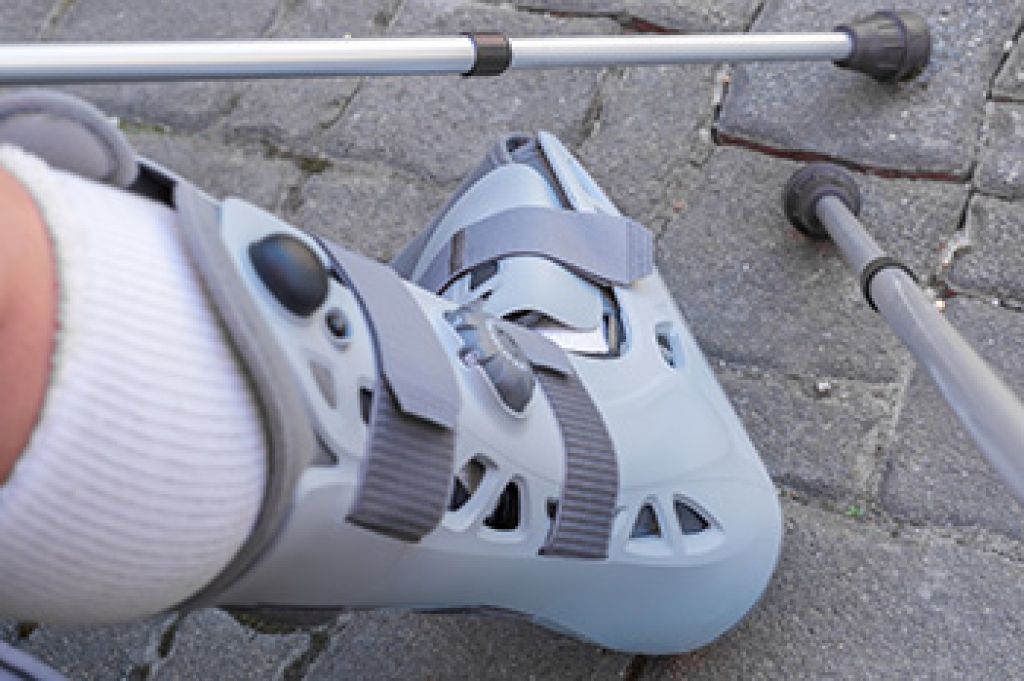
Broken Foot and an Air Cast Boot

A broken foot refers to a fracture in one or more of the bones in the foot, often caused by trauma, overuse, or direct impact. This injury can affect mobility and daily function, depending on the severity and location of the fracture. Common causes include falls, sports injuries, and repetitive stress. Prompt recognition of a broken foot is important for proper healing. Treatment often includes immobilization, and one widely used option is an air cast boot, which supports the foot during recovery.

Symptoms of a broken foot may include sharp pain, swelling, and difficulty bearing weight. Some individuals notice deformity or increased pain with movement. An air cast boot is a supportive medical device designed to stabilize the foot and ankle while allowing limited movement. It uses adjustable air chambers to provide a customized fit and compression, which can help reduce swelling and improve comfort during healing.


Risk factors for a broken foot include high-impact activities, poor bone health, and lack of proper footwear. Athletes and individuals with physically demanding routines may face higher risk due to repeated stress on the foot. Weak bones or previous injuries can also increase susceptibility. The air cast boot offers several advantages, including a lightweight design that makes it easier to move compared to traditional casts. It can be removed for hygiene purposes, allowing individuals to shower, and, in some cases, swimming may be permitted.


Choosing the right treatment is essential for proper recovery and preventing complications. An air cast boot can provide stability while offering flexibility and comfort during the healing process. Following medical guidance and avoiding premature weight bearing can improve outcomes. Early evaluation ensures that the fracture is managed correctly from the start. If you have broken your foot, it is suggested that you consult a podiatrist who can offer effective treatment solutions, which may include the use of an air cast boot.

A broken foot requires immediate medical attention and treatment. If you need your feet checked, contact the podiatrists from Itasca Foot & Ankle. Our doctors can provide the care you need to keep you pain-free and on your feet.

Broken Foot Causes, Symptoms, and Treatment

A broken foot is caused by one of the bones in the foot typically breaking when bended, crushed, or stretched beyond its natural capabilities. Usually the location of the fracture indicates how the break occurred, whether it was through an object, fall, or any other type of injury. 

Common Symptoms of Broken Feet:

  • Bruising
  • Pain
  • Redness
  • Swelling
  • Blue in color
  • Numbness
  • Cold
  • Misshapen
  • Cuts
  • Deformities

Those that suspect they have a broken foot shoot seek urgent medical attention where a medical professional could diagnose the severity.

Treatment for broken bones varies depending on the cause, severity and location. Some will require the use of splints, casts or crutches while others could even involve surgery to repair the broken bones. Personal care includes the use of ice and keeping the foot stabilized and elevated.

If you have any questions, please feel free to contact our offices located in Itasca, IL . We offer the newest diagnostic and treatment technologies for all your foot care needs.

Read more about Causes, Symptoms, and Treatment for a Broken Foot

Connect With Us

Request Appointment