
Walk-Ins Welcome!

Ankle Pain Caused by Tarsal Tunnel Syndrome

Tarsal tunnel syndrome develops when a nerve on the inside of the ankle becomes squeezed or irritated as it passes through a narrow space called the tarsal tunnel. This is similar to wrist pain caused by carpal tunnel syndrome. The tunnel is formed by bone and strong bands of tissue that protect the nerve. When pressure builds inside this area, pain and other symptoms occur. Patients frequently notice burning, tingling, or numbness that starts near the inside of the ankle and travels into the heel or the bottom of the foot. Some people also feel sharp pain while walking or standing for long periods of time. Eventually, discomfort can continue even while resting. Tarsal tunnel syndrome can result from swelling, a cyst, arthritis, or changes in foot structure that place extra pressure on the nerve. 

A podiatrist begins by asking about symptoms and examining the foot and ankle. Gentle pressure over the affected nerve can reproduce tingling or pain that travels into the foot. The podiatrist also checks strength, feeling, and movement to look for signs of nerve irritation. Imaging tests, like an MRI scan, can reveal swelling, cysts, or other problems pressing on the nerve. Nerve tests can measure how well signals travel through the affected area. An accurate diagnosis is important because tarsal tunnel syndrome can resemble other conditions, including plantar fasciitis, and each problem requires a different treatment plan.

Treatment focuses on relieving pressure on the affected nerve and correcting the cause whenever possible. A podiatrist can recommend custom orthotics that improve foot alignment or prescribe a brace that reduces stress on the nerve. Treatment also includes injections when inflammation is present. Early care can help prevent lasting nerve damage and improve comfort while walking and standing. If you have inner ankle pain, it is suggested that you schedule an appointment with a podiatrist who can accurately diagnose and treat tarsal tunnel syndrome.

Ankle pain can be caused by a number of problems and may be potentially serious. If you have ankle pain, consult with the podiatrists from Itasca Foot & Ankle. Our doctors will assess your condition and provide you with quality foot and ankle treatment.

Ankle pain is any condition that causes pain in the ankle. Due to the fact that the ankle consists of tendons, muscles, bones, and ligaments, ankle pain can come from a number of different conditions.

Causes

The most common causes of ankle pain include:

  • Types of arthritis (rheumatoid, osteoarthritis, and gout)
  • Ankle sprains
  • Broken ankles
  • Achilles tendonitis
  • Achilles tendon rupture
  • Stress fractures
  • Bursitis
  • Tarsal tunnel syndrome
  • Plantar fasciitis

Symptoms

Symptoms of ankle injury vary based upon the condition. Pain may include general pain and discomfort, swelling, aching, redness, bruising, burning or stabbing sensations, and/or loss of sensation.

Diagnosis

Due to the wide variety of potential causes of ankle pain, podiatrists will utilize a number of different methods to properly diagnose ankle pain. This can include asking for personal and family medical histories and of any recent injuries. Further diagnosis may include sensation tests, a physical examination, and potentially x-rays or other imaging tests.

Treatment

Just as the range of causes varies widely, so do treatments. Some more common treatments are rest, ice packs, keeping pressure off the foot, orthotics and braces, medication for inflammation and pain, and surgery.

If you have any questions please feel free to contact our offices located in Itasca, IL . We offer the newest diagnostic tools and technology to treat your foot and ankle needs.

Read more about Various Causes of Ankle Pain

Achilles Tendon Injuries and When to See a Podiatrist

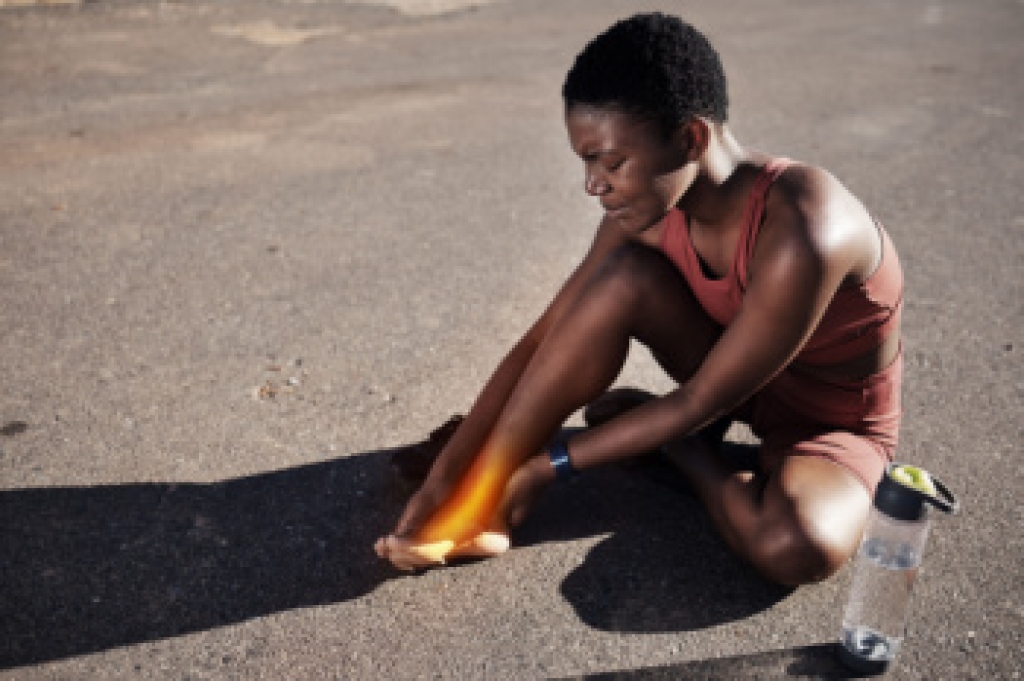
Achilles tendon injuries can make every step painful because this strong, fibrous band connects the calf muscles to the heel bone. It provides the strength and flexibility needed for running, jumping, and walking. The tendon handles significant stress during daily activities and sports, making it vulnerable to injury. When the tendon becomes inflamed, swollen, and irritated, the condition is called tendonitis. Repeated strain, tight calf muscles, or a sudden increase in activity can all contribute to tendon damage. A bone spur where the tendon attaches to the heel can also increase irritation. 

Achilles tendon injuries include inflammation, partial tears, and complete ruptures. Inflammation, or tendonitis, causes pain along the back of the leg near the heel. Other symptoms are swelling, thickening of the tendon, or discomfort that becomes worse with activity. There are two forms of tendonitis. One affects the middle portion of the tendon, while the other develops where the tendon attaches to the heel bone. A rupture is more serious and can produce a sudden sharp pain along with a popping sound in the back of the ankle or calf. This type of injury requires immediate medical attention because the tendon can no longer function normally.

A podiatrist performs a detailed examination to determine the exact cause of Achilles tendon pain. The evaluation includes checking the tendon for tenderness, swelling, and movement of the ankle. Imaging tests can confirm the extent of the injury and identify bone spurs or tendon tears. Treatment depends on the diagnosis and includes protecting the tendon and reducing stress on the injured area. Custom orthotics or surgery may be needed for severe ruptures or damage that cannot heal properly. Early diagnosis helps reduce complications and supports a safer return to normal activities. If you have injured your Achilles tendon, it is suggested that you schedule an appointment with a podiatrist for diagnosis and appropriate treatment.

Achilles tendon injuries need immediate attention to avoid future complications. If you have any concerns, contact the podiatrists of Itasca Foot & Ankle. Our doctors can provide the care you need to keep you pain-free and on your feet.

What Is the Achilles Tendon?

The Achilles tendon is a tendon that connects the lower leg muscles and calf to the heel of the foot. It is the strongest tendon in the human body and is essential for making movement possible. Because this tendon is such an integral part of the body, any injuries to it can create immense difficulties and should immediately be presented to a doctor.

What Are the Symptoms of an Achilles Tendon Injury?

There are various types of injuries that can affect the Achilles tendon. The two most common injuries are Achilles tendinitis and ruptures of the tendon.

Achilles Tendinitis Symptoms

  • Inflammation
  • Dull to severe pain
  • Increased blood flow to the tendon
  • Thickening of the tendon

Rupture Symptoms

  • Extreme pain and swelling in the foot
  • Total immobility

Treatment and Prevention

Achilles tendon injuries are diagnosed by a thorough physical evaluation, which can include an MRI. Treatment involves rest, physical therapy, and in some cases, surgery. However, various preventative measures can be taken to avoid these injuries, such as:

  • Thorough stretching of the tendon before and after exercise
  • Strengthening exercises like calf raises, squats, leg curls, leg extensions, leg raises, lunges, and leg presses

If you have any questions please feel free to contact our offices located in Itasca, IL . We offer the newest diagnostic tools and technology to treat your foot and ankle needs.
Read more about Achilles Tendon Injuries

Wounds That Don't Heal Need to Be Checked

Your feet are covered most of the day. If you're diabetic, periodic screening is important for good health. Numbness is often a sign of diabetic foot and can mask a sore or wound.

Everyday Habits That Can Lead to Foot Pain

Foot pain is a common issue that can develop from daily habits and lifestyle choices. It refers to discomfort in any part of the foot, including the heel, arch, or sole. While injuries and medical conditions can contribute, many cases of foot pain are linked to preventable behaviors. Activities such as running barefoot, wearing shoes without socks, choosing worn-out running shoes, and frequent use of high heels can place excessive stress on the feet and lead to ongoing discomfort.

Symptoms of foot pain vary depending on the cause but often include aching, burning sensations, or sharp pain during movement. Running barefoot may lead to strain on the plantar fascia and increased pressure on the heel and forefoot. Wearing shoes without socks can cause friction, leading to blisters, irritation, and skin infections. Worn-out running shoes lose their cushioning and support, which can result in joint stress and fatigue. Frequent use of high heels shifts body weight forward, increasing pressure on the ball of the foot and toes.

The causes of foot pain from these behaviors are related to poor support, repetitive stress, and improper alignment. Barefoot running on hard surfaces reduces shock absorption and increases impact forces. Shoes that have lost their structure no longer provide stability, which can affect gait and balance. High heels alter natural foot mechanics and can contribute to deformities over time. Friction from not wearing socks can weaken the skin barrier, making it more prone to injury.

Risk factors include active lifestyles, long periods of standing, improper footwear choices, and lack of foot care awareness. Preventive measures, such as wearing supportive shoes, replacing worn footwear regularly, and using moisture-wicking socks, can reduce the risk of pain. Making small adjustments to daily habits can protect long-term foot health. If you have developed foot pain, it is suggested that you consult a podiatrist for an accurate diagnosis and appropriate treatment for long-term relief.

Foot Pain

Foot pain can be extremely painful and debilitating. If you have a foot pain, consult with the podiatrists from Itasca Foot & Ankle. Our doctors will assess your condition and provide you with quality foot and ankle treatment.

Causes

Foot pain is a very broad condition that could be caused by one or more ailments. The most common include:

  • Bunions
  • Hammertoes
  • Plantar Fasciitis
  • Bone Spurs
  • Corns
  • Tarsal Tunnel Syndrome
  • Ingrown Toenails
  • Arthritis (such as Gout, Rheumatoid, and Osteoarthritis)
  • Flat Feet
  • Injury (from stress fractures, broken toe, foot, ankle, Achilles tendon ruptures, and sprains)
  • And more

Diagnosis

To figure out the cause of foot pain, podiatrists utilize several different methods. This can range from simple visual inspections and sensation tests to X-rays and MRI scans. Prior medical history, family medical history, and any recent physical traumatic events will all be taken into consideration for a proper diagnosis.

Treatment

Treatment depends upon the cause of the foot pain. Whether it is resting, staying off the foot, or having surgery; podiatrists have a number of treatment options available for foot pain.

If you have any questions, please feel free to contact our offices located in Itasca, IL . We offer the newest diagnostic and treatment technologies for all your foot care needs.

Read more about Foot Pain

Common Types of Foot Arthritis and Their Impact on Mobility

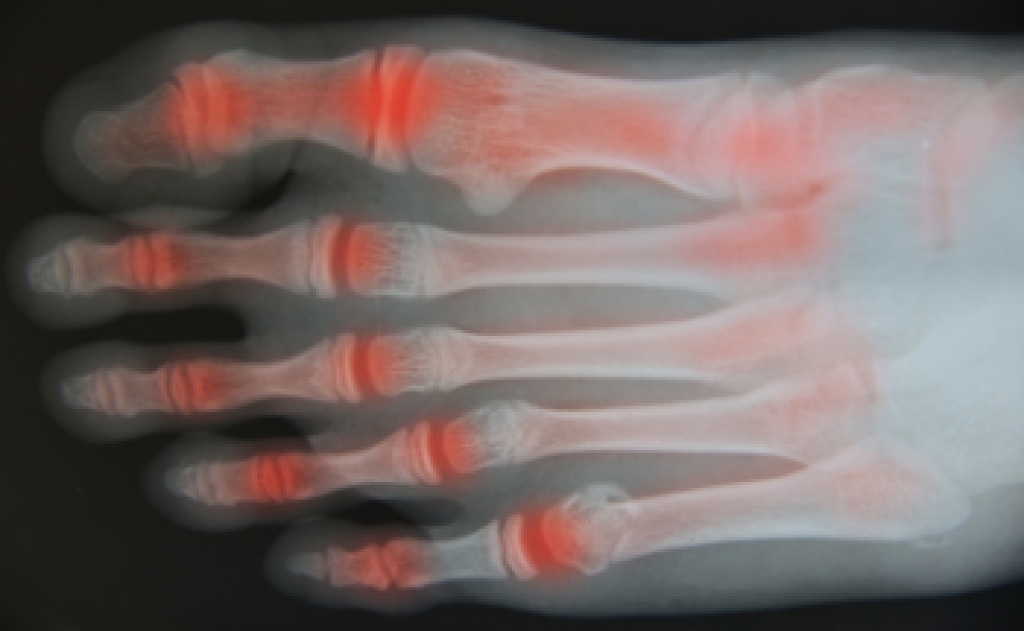
Foot arthritis includes several conditions that affect the joints, causing pain, stiffness, and limited movement. Among these, psoriatic arthritis is a significant inflammatory type that can lead to debilitating foot pain. It differs from other forms of arthritis because it involves both joint inflammation and changes in the surrounding soft tissue. This condition can affect multiple joints in the foot, making walking and standing difficult over time.

Symptoms often include persistent joint pain, swelling, and a feeling of warmth in the affected areas. Dactylitis is a key sign, where toes appear swollen and enlarged, resembling a sausage-like shape. Patients may also notice stiffness after periods of inactivity, as well as tenderness along tendons and ligaments. These symptoms can gradually worsen, leading to decreased mobility and challenges with everyday activities.


The causes of psoriatic arthritis are linked to immune system dysfunction, where the body mistakenly attacks healthy joint tissue. Risk factors include having psoriasis, a family history of autoimmune conditions, and certain environmental influences. Stress, infections, and physical trauma may also contribute to the onset or worsening of symptoms. Understanding these risk factors can help with early identification and management.


Treatment focuses on reducing inflammation, preserving joint function, and improving quality of life. Wearing supportive shoes, custom orthotics, and targeted therapies can help relieve pressure on affected joints. Early intervention is essential to prevent long term damage. Consistent care with a podiatrist allows for monitoring and adjustment of treatment plans. If you have foot arthritis, it is suggested that you consult a podiatrist for effective relief and management solutions.

Arthritis can be a difficult condition to live with. If you are seeking treatment, contact the podiatrists from Itasca Foot & Ankle. Our doctors can provide the care you need to keep you pain-free and on your feet.

Arthritic Foot Care  

Arthritis is a term that is commonly used to describe joint pain.  The condition itself can occur to anyone of any age, race, or gender, and there are over 100 types of it.  Nevertheless, arthritis is more commonly found in women compared to men, and it is also more prevalent in those who are overweight. The causes of arthritis vary depending on which type of arthritis you have. Osteoarthritis for example, is often caused by injury, while rheumatoid arthritis is caused by a misdirected immune system.

Symptoms

  • Swelling
  • Pain
  • Stiffness
  • Decreased Range of Motion

Arthritic symptoms range in severity, and they may come and go. Some symptoms stay the same for several years but could potentially get worse with time. Severe cases of arthritis can prevent its sufferers from performing daily activities and make walking difficult.

Risk Factors

  • Occupation – Occupations requiring repetitive knee movements have been linked to osteoarthritis
  • Obesity – Excess weight can contribute to osteoarthritis development
  • Infection – Microbial agents can infect the joints and trigger arthritis
  • Joint Injuries – Damage to joints may lead to osteoarthritis
  • Age – Risk increases with age
  • Gender –Most types are more common in women
  • Genetics – Arthritis can be hereditary

If you suspect your arthritis is affecting your feet, it is crucial that you see a podiatrist immediately. Your doctor will be able to address your specific case and help you decide which treatment method is best for you.

If you have any questions please feel free to contact our offices located in Itasca, IL . We offer the newest diagnostic tools and technology to treat your foot and ankle needs.
Read more about Arthritic Foot Care

Connect With Us

Request Appointment