Our second office is located at: 1585 Barrington Rd. Building 2, Suite 103, Hoffman Estates, IL 60169. (Opened Tuesdays)
Walk-Ins Welcome!

Foot Alignment Link to Ingrown Toenails

Recent studies suggest that foot alignment may influence the development of ingrown toenails. An ingrown toenail occurs when the nail edge presses into nearby skin, causing pain, swelling, and infection. Studies suggest that people with a lower foot arch, flat feet, may face a higher risk. A reduced arch can shift pressure toward the front of the foot and the big toe, increasing irritation along the nail border. In some people, the tip of the big toe bone may angle outward, which can lead to ingrown nails along the outer side. A podiatrist can evaluate foot structure by examination and imaging. Treatment may involve correcting nail growth patterns, easing pressure on the toe, and addressing alignment problems to reduce repeat episodes. If you have pain from an ingrown toenail, it is suggested that you make an appointment with a podiatrist for an exam, diagnosis, and treatment.

Ingrown toenails can become painful if they are not treated properly. For more information about ingrown toenails, contact the podiatrists of Itasca Foot & Ankle. Our doctors can provide the care you need to keep you pain-free and on your feet.

Ingrown Toenails

Ingrown toenails occur when a toenail grows sideways into the bed of the nail, causing pain, swelling, and possibly infection.

Causes

  • Bacterial infections
  • Improper nail cutting such as cutting it too short or not straight across
  • Trauma to the toe, such as stubbing, which causes the nail to grow back irregularly
  • Ill-fitting shoes that bunch the toes too close together
  • Genetic predisposition

Prevention

Wearing proper fitting shoes and using proper cutting techniques will also help decrease your risk of developing ingrown toenails.

Treatment

Ingrown toenails are a very treatable foot condition. In minor cases, soaking the affected area in salt or antibacterial soaps will not only help with the ingrown nail itself, but also help prevent any infections from occurring. In more severe cases, surgery is an option. In either case, speaking to your podiatrist about this condition will help you get a better understanding of specific treatment options that are right for you.

If you have any questions, please feel free to contact our offices located in Itasca and Hoffman Estates, IL . We offer the newest diagnostic and treatment technologies for all your foot care needs.
Read more about Ingrown Toenail Care

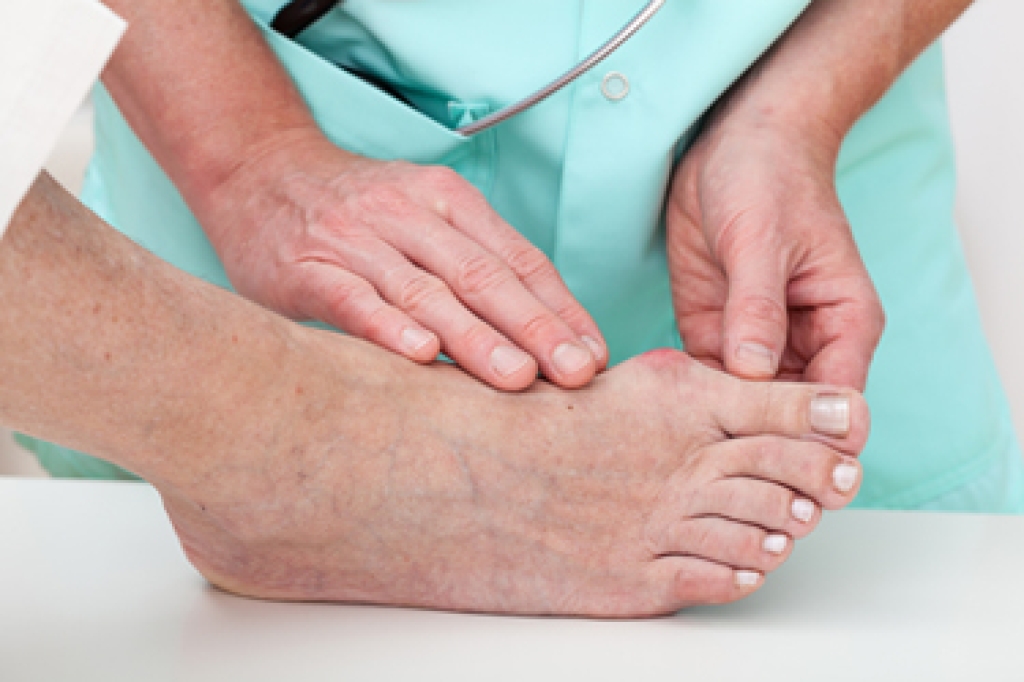
Surgical Options for Bunions

A bunion is a hard bump that forms at the base of the big toe where it meets the long bone of the foot. Over time, the big toe begins to lean toward the second toe, which causes the joint to stick outward and become swollen and painful. As the deformity progresses, the joint may become stiff, irritated, and difficult to move. When the pain becomes severe or walking is limited, bunion surgery may be recommended to correct the problem. Several types of procedures may be used depending on the size and shape of the bunion. One procedure removes the bony bump. Another type of surgery cuts and shifts the bone so the big toe can return to a straighter position. In more advanced cases, the joint may be stabilized using small screws or plates to keep the bones aligned. A podiatrist can examine the foot, evaluate the severity of the bunion, and determine the most effective surgical option. If you have a painful bunion, it is suggested that you make an appointment with a podiatrist for an exam, diagnosis, and treatment.

If you are suffering from bunions, contact the podiatrists of Itasca Foot & Ankle. Our doctors can provide the care you need to keep you pain-free and on your feet.

What Is a Bunion?

A bunion is formed of swollen tissue or an enlargement of boney growth, usually located at the base joint of the toe that connects to the foot. The swelling occurs due to the bones in the big toe shifting inward, which impacts the other toes of the foot. This causes the area around the base of the big toe to become inflamed and painful.

Why Do Bunions Form?

Genetics – Susceptibility to bunions are often hereditary

Stress on the feet – Poorly fitted and uncomfortable footwear that places stress on feet, such as heels, can worsen existing bunions

How Are Bunions Diagnosed?

Podiatrists often perform two tests – blood tests and x-rays – when trying to diagnose bunions, especially in the early stages of development. Blood tests help determine if the foot pain is being caused by something else, such as arthritis, while x-rays provide a clear picture of your bone structure to your provider.

How Are Bunions Treated?

  • Refrain from wearing heels or similar shoes that cause discomfort
  • Select wider shoes that can provide more comfort and reduce pain
  • Anti-inflammatory and pain management drugs
  • Orthotics or foot inserts
  • Surgery

If you have any questions, please feel free to contact our offices located in Itasca and Hoffman Estates, IL . We offer the newest diagnostic and treatment technologies for all your foot care needs.

Read more about Bunions

Do You Suffer From Painful Feet?

Painful deformities, such as hammertoes, can be treated. Stop living with foot pain, and have beautiful feet again!

Clubfoot Causes and Diagnosis

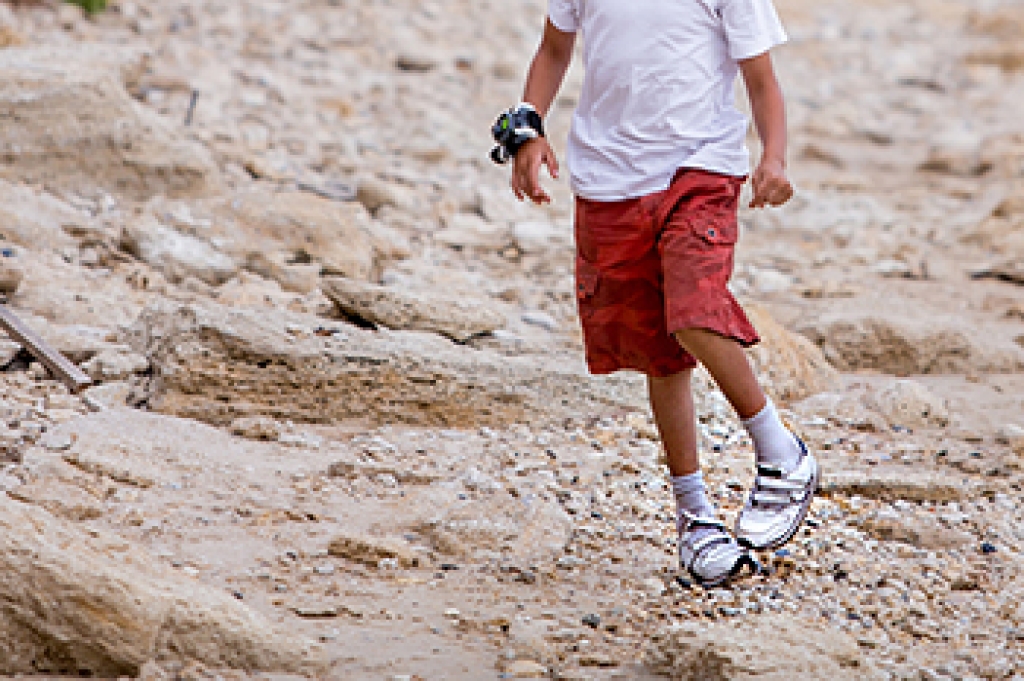
Clubfoot is a congenital condition in which a newborn foot appears twisted inward and downward due to abnormal development of muscles, tendons and ligaments. The exact cause is not always known, but genetics play a significant role and the condition may run in families. Environmental factors during pregnancy may also contribute. Diagnosis is often made at birth through a physical examination and sometimes confirmed with a prenatal ultrasound. Symptoms include a visibly rotated foot, limited range of motion, and stiffness, although the condition is not typically painful in infancy. A podiatrist provides early evaluation, guidance, and ongoing care through stretching, casting, bracing, and monitoring progress. Early treatment improves long-term mobility and function. If your child has been born with clubfoot, it is strongly suggested that you include a podiatrist on your health care team to ensure the best outcome for your child’s development.

Congenital foot problems require immediate attention to avoid future complications. If you have any concerns, contact the podiatrists of Itasca Foot & Ankle. Our doctors can provide the care you need to keep you pain-free and on your feet.

Congenital foot problems are deformities affecting the feet, toes, and/or ankles that children are born with. Some of these conditions have a genetic cause while others just happen. Some specific foot ailments that children may be born with include clubfeet, polydactyly/macrodactyly, and cleft foot. There are several other foot anomalies that can occur congenitally. What all of these conditions have in common is that a child may experience difficulty walking or performing everyday activities, as well as trouble finding footwear that fits their foot deformity. Some of these conditions are more serious than others. Consulting with a podiatrist as early as possible will help in properly diagnosing a child’s foot condition while getting the necessary treatment underway.

What are Causes of Congenital Foot Problem?

A congenital foot problem is one that happens to a child at birth. These conditions can be caused by a genetic predisposition, developmental or positional abnormalities during gestation, or with no known cause.

What are Symptoms of Congenital Foot Problems?

Symptoms vary by the congenital condition. Symptoms may consist of the following:

  • Clubfoot, where tendons are shortened, bones are shaped differently, and the Achilles tendon is tight, causing the foot to point in and down. It is also possible for the soles of the feet to face each other.
  • Polydactyly, which usually consists of a nubbin or small lump of tissue without a bone, a toe that is partially formed but has no joints, or an extra toe.
  • Vertical talus, where the talus bone forms in the wrong position causing other bones in the foot to line up improperly, the front of the foot to point up, and the bottom of the foot to stiffen, with no arch, and to curve out.
  • Tarsal coalition, when there is an abnormal connection of two or more bones in the foot leading to severe, rigid flatfoot.
  • Cleft foot, where there are missing toes, a V-shaped cleft, and other anatomical differences.
  • Macrodactyly, when the toes are abnormally large due to overgrowth of the underlying bone or soft tissue.

Treatment and Prevention

While there is nothing one can do to prevent congenital foot problems, raising awareness and receiving neonatal screenings are important. Early detection by taking your child to a podiatrist leads to the best outcome possible.

If you have any questions, please feel free to contact our offices located in Itasca and Hoffman Estates, IL . We offer the newest diagnostic and treatment technologies for all your foot care needs.
Read more about Congenital Foot Problems

The Connection Between Ankle Pain and Balance

Functional ankle instability is a condition where the ankle repeatedly feels weak, unstable, or prone to giving way, often after previous sprains. Ongoing ankle pain can limit how well the joint moves, especially the up and down motion that is needed for walking and balance. When range of motion is reduced, nearby muscles may weaken because they are not used fully or correctly. This loss of strength can make it harder for the ankle to respond quickly during movement. Balance is also affected, since the ankle plays a major role in sensing position and adjusting to uneven surfaces. When pain, stiffness, and weakness combine, the risk of repeat injury increases. Treatment focuses on restoring motion, improving muscle strength, and retraining balance to improve stability. If ankle pain or repeated instability continues, it is suggested that you see a podiatrist for an evaluation and targeted care.

Ankle pain can have many different causes and the pain may potentially be serious. If you have ankle pain, consult with the podiatrists from Itasca Foot & Ankle. Our doctors will assess your condition and provide you with quality foot and ankle treatment.

Ankle pain is any condition that causes pain in the ankle. Due to the fact that the ankle consists of tendons, muscles, bones, and ligaments, ankle pain can come from a number of different conditions.

Causes

The most common causes of ankle pain include:

  • Types of arthritis (rheumatoid, osteoarthritis, and gout)
  • Ankle sprains
  • Broken ankles
  • Achilles tendinitis
  • Achilles tendon rupture
  • Stress fractures
  • Tarsal tunnel syndrome
  • Plantar fasciitis

Symptoms

Symptoms of ankle injury vary based upon the condition. Pain may include general pain and discomfort, swelling, aching, redness, bruising, burning or stabbing sensations, and/or loss of sensation.

Diagnosis

Due to the wide variety of potential causes of ankle pain, podiatrists will utilize a number of different methods to properly diagnose ankle pain. This can include asking for personal and family medical histories and of any recent injuries. Further diagnosis may include sensation tests, a physical examination, and potentially x-rays or other imaging tests.

Treatment

Just as the range of causes varies widely, so do treatments. Some more common treatments are rest, ice packs, keeping pressure off the foot, orthotics and braces, medication for inflammation and pain, and surgery.

If you have any questions please feel free to contact our offices located in Itasca and Hoffman Estates, IL . We offer the newest diagnostic tools and technology to treat your foot and ankle needs.

Read more about Ankle Pain

Connect With Us