
If left untreated, an ingrown toenail can lead to more serious concerns, such as an infection. Knowing proper nail care can help in the prevention of an ingrown toenail. Give us a call, and get treated!
If left untreated, an ingrown toenail can lead to more serious concerns, such as an infection. Knowing proper nail care can help in the prevention of an ingrown toenail. Give us a call, and get treated!
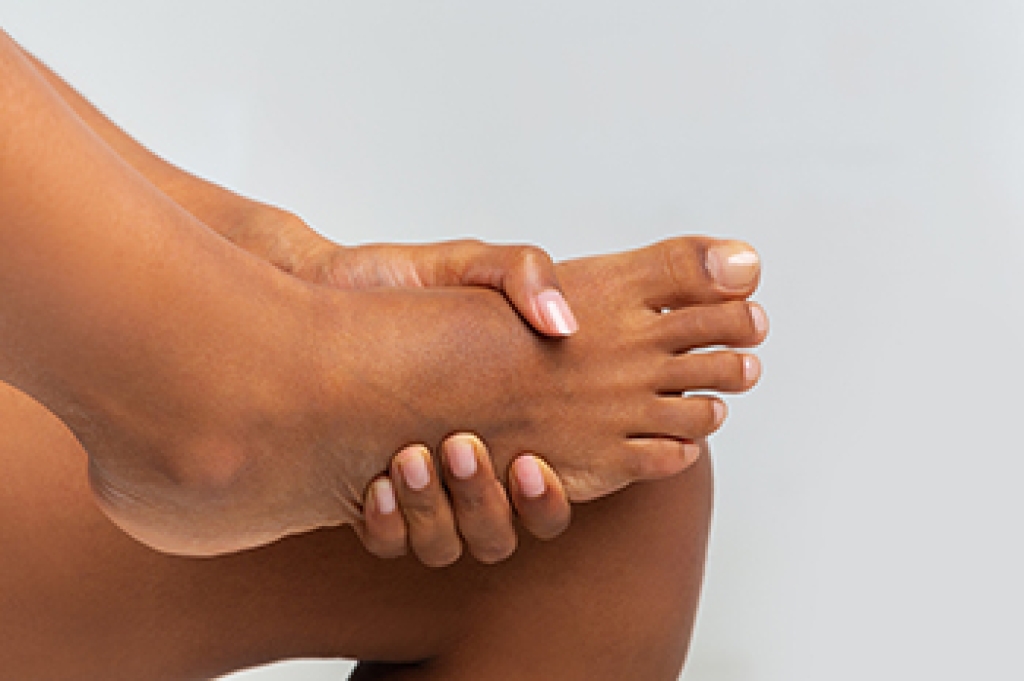
Foot pain from wearing sandals is common when footwear does not provide enough support for the arch or heel. Flat sandals can allow the foot to roll inward while walking. Thin soles may also increase pressure on the bottom of the foot. Symptoms can include aching or tenderness after walking. Risk factors include prolonged walking, existing foot problems, and suddenly switching from supportive shoes to sandals. People with poor arch support needs may notice discomfort quickly.
Wearing unsupportive sandals also can aggravate certain conditions. Plantar fasciitis is irritation involving the thick band of tissue along the bottom of the foot. It often causes heel pain after rest. Bunions are structural changes that cause the big toe to move toward the other toes. They may cause swelling and pressure near the big toe joint. Morton’s neuroma involves irritation around a nerve between the toes. It can cause burning pain beneath the forefoot. Seeing a podiatrist can help deal with any of these conditions.
A podiatrist begins by reviewing your symptoms, footwear habits and medical history. The foot is examined for tenderness, swelling, and pressure areas. Imaging may be recommended when structural problems need evaluation. Treatment depends on the diagnosis and may include wearing supportive footwear, custom orthotics, or medication, if appropriate. A podiatrist may also recommend stretching exercises, if suitable. Persistent bunions or nerve pain may require additional treatment if conservative care does not provide relief.
Choosing sandals with arch support, cushioning, and a secure fit can help reduce strain during walking and daily activities. Avoid unsupportive sandals for long periods of time when your feet already hurt. Gradually increase walking time and pay attention to changes in pain. Persistent symptoms should not be ignored because early care may prevent worsening. If foot pain caused by wearing sandals continues, it is suggested that you consult a podiatrist for effective relief tips, and guidance on choosing more appropriate shoes.
Foot Pain
Foot pain can be extremely painful and debilitating. If you have a foot pain, consult with the podiatrists from Itasca Foot & Ankle. Our doctors will assess your condition and provide you with quality foot and ankle treatment.
Causes
Foot pain is a very broad condition that could be caused by one or more ailments. The most common include:
Diagnosis
To figure out the cause of foot pain, podiatrists utilize several different methods. This can range from simple visual inspections and sensation tests to X-rays and MRI scans. Prior medical history, family medical history, and any recent physical traumatic events will all be taken into consideration for a proper diagnosis.
Treatment
Treatment depends upon the cause of the foot pain. Whether it is resting, staying off the foot, or having surgery; podiatrists have a number of treatment options available for foot pain.
If you have any questions, please feel free to contact our offices located in Itasca, IL . We offer the newest diagnostic and treatment technologies for all your foot care needs.
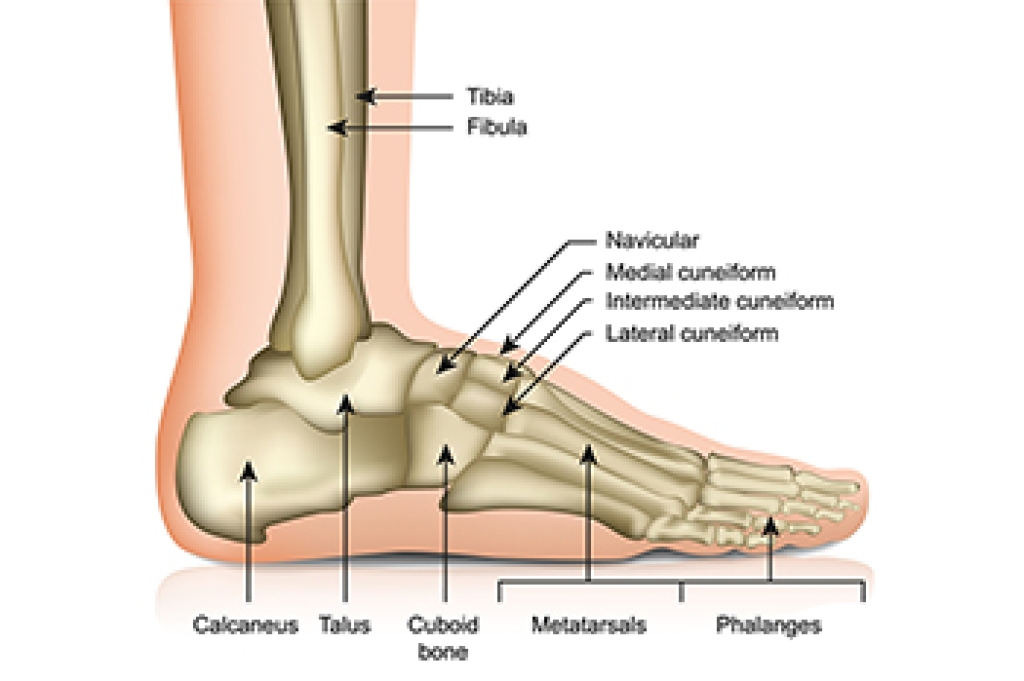
Poor foot posture occurs when the feet rest or move in an inefficient position that affects normal alignment and function. This can include excessive inward rolling, limited arch support, or uneven weight distribution. Poor foot function may change how the ankles, knees, and hips move during walking. These changes can affect the way the body absorbs impact. Some people may experience foot fatigue, arch discomfort, or uneven wear on their shoes. Addressing foot alignment may help improve overall movement.
Poor foot posture can also be associated with low back pain because the feet provide the foundation for the body during standing and walking. When foot mechanics change, the legs and pelvis may adjust to maintain balance. These adjustments can place additional stress on muscles and joints throughout the lower body. Risk factors include flat feet, previous foot injuries, and prolonged standing. Repetitive activities may also increase strain when the feet do not function efficiently.
Symptoms can vary depending on the underlying cause. Some people notice tired feet, heel discomfort, or changes in walking patterns. Others may develop discomfort that extends into the knees, hips, or lower back. A podiatrist can evaluate foot posture by examining alignment, walking mechanics, and weight distribution. They may also review footwear and assess the range of motion in the feet and ankles. Imaging tests may be recommended when structural problems are suspected.
Treatment depends on the cause and severity of poor foot function. A podiatrist may recommend wearing supportive footwear, custom orthotics, or targeted changes to daily activities. They may also address an underlying foot condition that is affecting alignment. Improving foot support can help create a more stable foundation for movement. If poor foot posture is affecting your comfort or contributing to low back pain, it is suggested that you consult a podiatrist for effective relief and treatment solutions.
If you have any concerns about your feet, contact the podiatrists from Itasca Foot & Ankle. Our doctors can provide the care you need to keep you pain-free and on your feet.
Biomechanics in Podiatry
Podiatric biomechanics is a particular sector of specialty podiatry with licensed practitioners who are trained to diagnose and treat conditions affecting the foot, ankle and lower leg. Biomechanics deals with the forces that act against the body, causing an interference with the biological structures. It focuses on the movement of the ankle, the foot and the forces that interact with them.
A History of Biomechanics
Modern technological improvements are based on past theories and therapeutic processes that provide a better understanding of podiatric concepts for biomechanics. Computers can provide accurate information about the forces and patterns of the feet and lower legs.
Understanding biomechanics of the feet can help improve and eliminate pain, stopping further stress to the foot.
If you have any questions please feel free to contact our offices located in Itasca, IL . We offer the newest diagnostic and treatment technologies for all your foot and ankle needs.
Connect With Us